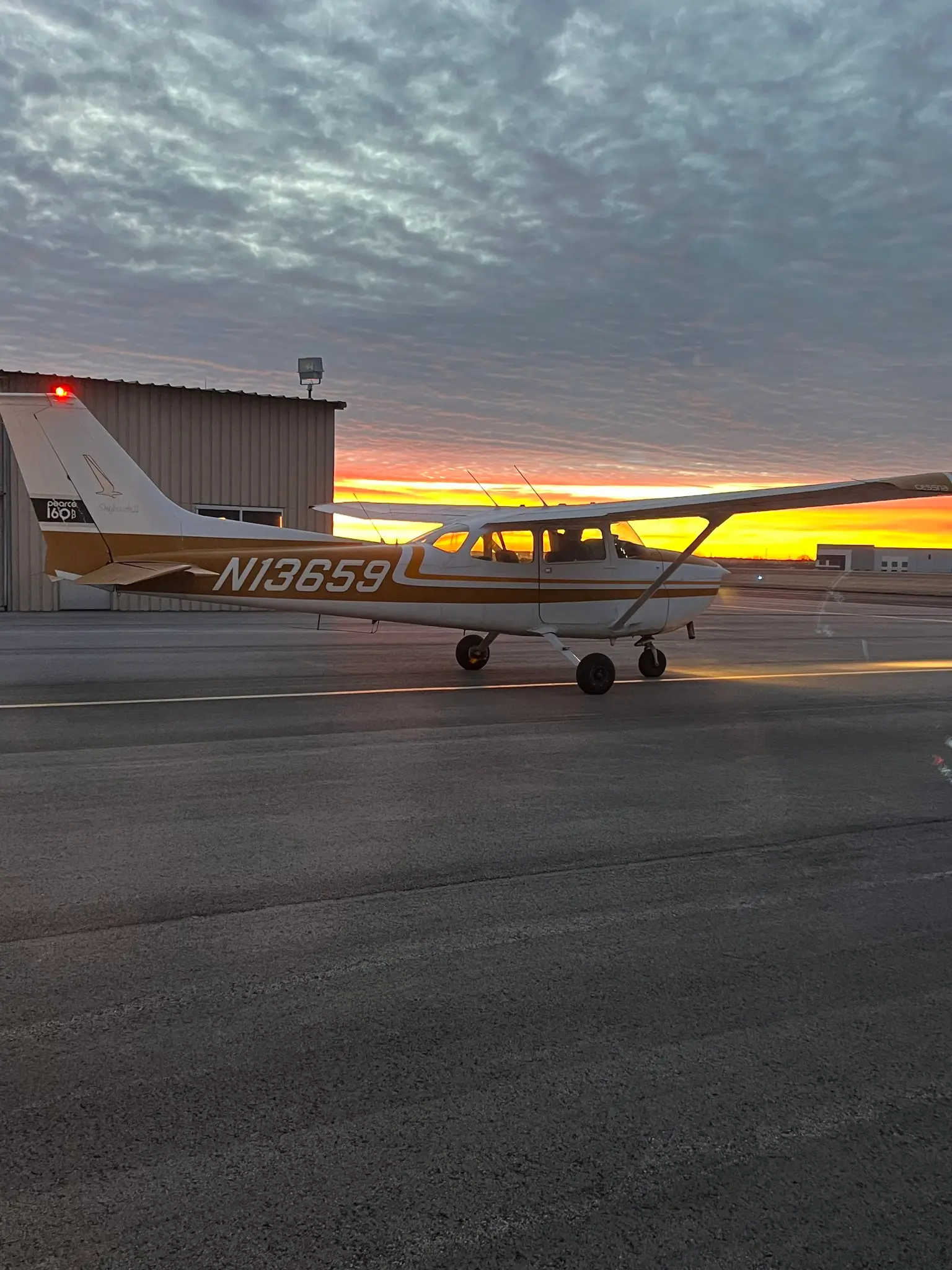
Learn to Fly in Kansas City: Navigating Controlled Airspace, Weather & Traffic

- Sep 2, 2026
- 14 min read
Learn to Fly in Kansas City: Navigating Controlled Airspace, Weather & Traffic
When you decide to learn to fly in Kansas City, you are choosing one of the finest and most diverse flight training environments in the country. The Kansas City metropolitan area blends active commercial and corporate air corridors with expansive open practice areas across eastern Kansas and western Missouri. However, operating safely in this region requires learning how to communicate with air traffic control, navigate multi-layered airspace tiers, and handle dynamic Midwest weather patterns. At Pilot Instructional Center, we teach student pilots how to fly in complex regional skies with calm, disciplined authority.
Understanding Kansas City Airspace Architecture
The Kansas City airspace system is anchored by the Kansas City International (MCI) Class B airspace. Surrounding the metro are busy regional general aviation airports, including New Century AirCenter (KIXD), Johnson County Executive (KOJC), and Charles B. Wheeler Downtown (KMKC). Student pilots must understand lateral boundaries, altitude shelves, and Mode C transponder requirements to avoid inadvertent airspace incursions. Training out of a towered facility like KIXD in New Century ensures you become fluent in ATC clearance protocols from your very first dual flight lesson.
Mastering ATC Communications and VFR Flight Following
For new aviators, speaking on the radio with air traffic control can initially feel intimidating. At PIC, radio communication is introduced step by step. You will learn standard FAA phraseology for ground taxi requests, tower takeoff clearances, and radar flight following with Kansas City Approach. Utilizing VFR flight following provides an extra layer of safety, giving you radar traffic advisories and real-time altitude alerts as you navigate cross-country flights across Kansas and Missouri.
Handling Seasonal Kansas City Weather Patterns
Flying in the heart of the Midwest requires developing strong weather interpretation skills. Summer flights teach density altitude management and convective thunderstorm avoidance. Autumn and spring deliver crisp, clear visual flight conditions ideal for solo cross-country training. During winter months when cloud ceilings drop, pilots must stay current on instrument flying procedures and icing awareness. Our training integrates dedicated sessions in our Redbird FMX full-motion simulator, allowing you to practice instrument flight rules (IFR) approaches and emergency cloud encounters without risking safety in the airplane.
Why Airport Selection Dictates Your Training Quality
Where you choose to take your flight lessons in Kansas City directly impacts your training budget and timeline. Training at an overcrowded airport with single runways can result in paying for 15–20 minutes of engine idling before every takeoff. At New Century AirCenter (KIXD), students enjoy dual long runways, ILS instrument approach systems, and minimal commercial traffic delays. You spend your flight hours actually flying and learning rather than sitting on a taxiway waiting for clearance.
Developing Aeronautical Judgment for a Lifetime of Safe Flying
Earning your pilot certificate is about developing lifelong aeronautical decision-making (ADM). Learning with senior instructors who have flown corporate jets and commercial airliners gives you practical, real-world judgment tools that keep you and your passengers safe across thousands of future flight hours.
Take Your First Step in the Kansas City Skies
Whether your dream is flying family on weekend trips or pursuing a career through our Airline Pilot Track, your journey starts with a single flight lesson. Browse our Kansas City flight training FAQs or schedule an introductory Discovery Flight today to experience Kansas City aviation firsthand.

Pilot Instructional Center
Pilot Instructional Center (PIC) is a top-rated flight school in New Century, Kansas, offering professional pilot training led by jet-rated, safety-focused instructors. Whether you're starting your Private Pilot License or advancing toward Instrument, Commercial, CFI, or CFII ratings, PIC provides personalized, integrity-driven training designed to help you take off with confidence.

Ready to get started?
Contact us today to discuss your project and discover how we can help you achieve your goals.