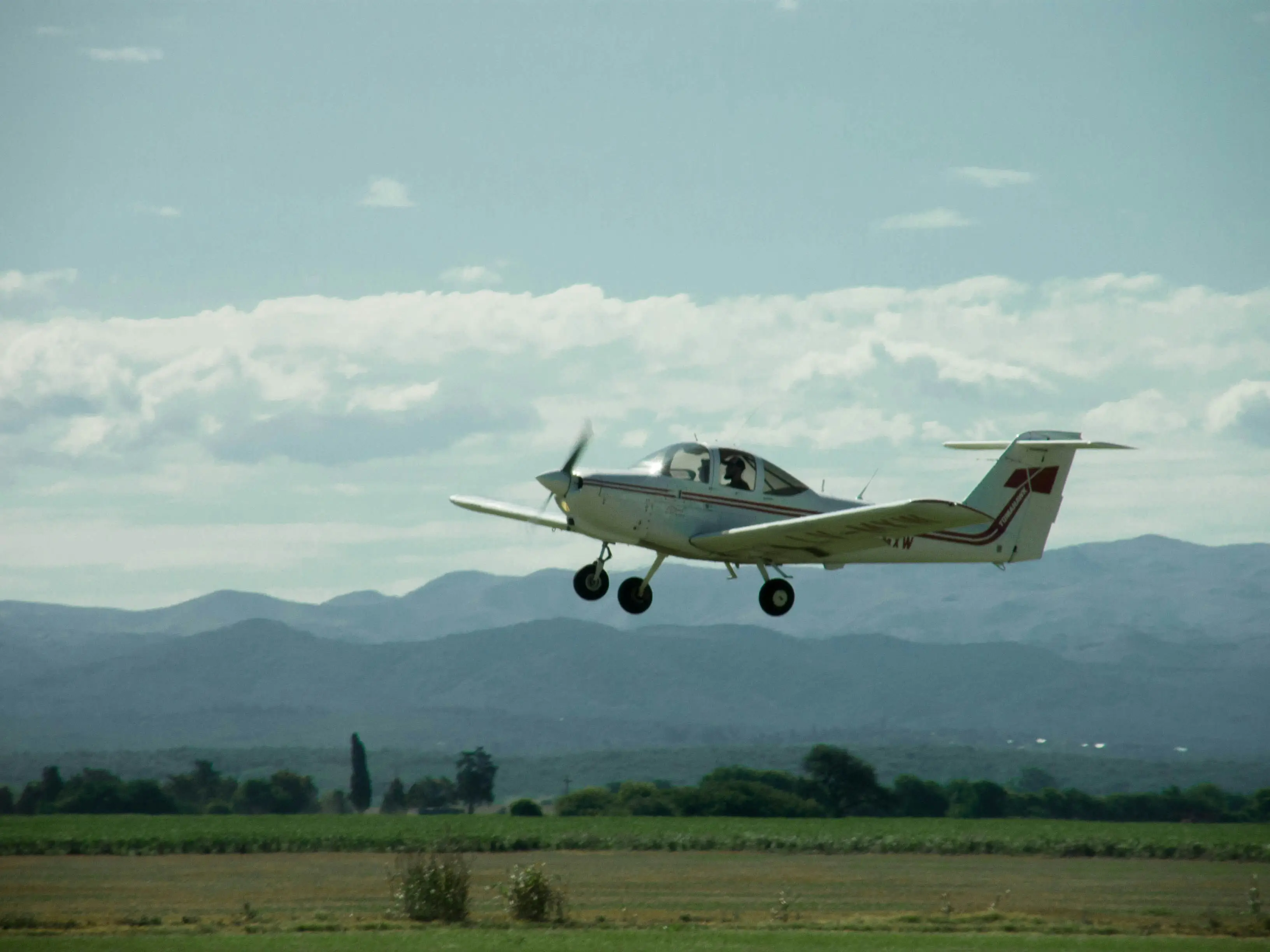
Private Pilot License Requirements: What to Know Before You Start
- Jul 20, 2026
- 7 min read
Private Pilot License Requirements: What to Know Before You Start
If you are researching private pilot license requirements, you are probably trying to answer one big question: what does it take to move from beginner to licensed pilot? The answer is a mix of training, paperwork, medical expectations, and hands-on flight time. At Pilot Instructional Center, we help students understand the path clearly so they can start with confidence and avoid unnecessary confusion.
What a Private Pilot License Is
A private pilot license is the certification that allows a pilot to fly an aircraft for personal and non-commercial purposes. It is one of the most common first licenses for students who want to build flying skills, travel more freely, or explore aviation as a long-term goal. In everyday conversations, some people also use the term pilot permit, but the formal milestone is the private pilot license.
The First Step: Student Pilot Certificate
Before you can begin most flight training, you will usually need to start with a student pilot certificate. This is the initial training authorization that lets a beginner begin flight instruction under the guidance of a certified flight instructor. If you are wondering how to get a student pilot certificate, the process generally involves submitting the required application information and meeting the basic eligibility and medical expectations before flying begins. For more details, explore our guide on getting your student pilot certificate.
Eligibility and Basic Requirements
The specific private pilot license requirements can vary depending on the current FAA rules and the training path you choose, but the process usually includes being able to read, speak, and understand English; meeting age and medical expectations; and completing the required training and exams. The easiest way to think about it is this: you need to be prepared to learn, demonstrate safe judgment, and complete both ground and flight training under proper supervision. Have more questions about eligibility? Our Student Pilot Certificate FAQs can provide clarity.
Medical Requirements Matter
A medical certificate is a normal part of the process for most student pilots. The medical evaluation helps confirm that you meet the health and fitness expectations required for safe flying. Even if you are not planning to fly professionally right away, this step is part of the path to a private pilot license and should be treated seriously from the start. Learn more about FAA medical requirements and how they impact training.
Ground Training, Flight Lessons, and Skill Building
The private pilot license requirements are not just about paperwork. You will also need to complete the ground school and flight training that build your knowledge of aerodynamics, weather, navigation, airspace, and aircraft systems. Training is usually divided into classroom or self-study work, simulator-based practice, and actual flight lessons that develop your handling skills and confidence.
Knowledge Test and Practical Test
Most students eventually complete a written knowledge test and a practical checkride. The written test verifies your understanding of the topics you studied, while the practical test confirms that you can apply those concepts safely in real flight conditions. These steps are often the point where a student moves from training to demonstrated readiness.
How Much Does It Cost to Get a Flying License?
Many students also ask how much it costs to get a flying license. The total can vary a lot depending on the training pace, aircraft rental rates, instructor time, and the location of the school. Instead of thinking of it as a fixed price, it is better to budget for ongoing lessons, ground instruction, exams, and flight time over the course of the program. A school can help you understand the typical cost structure for your chosen path. We dive into pricing factors in our article on how flight training costs in Kansas City are changing.
How to Prepare Before You Start
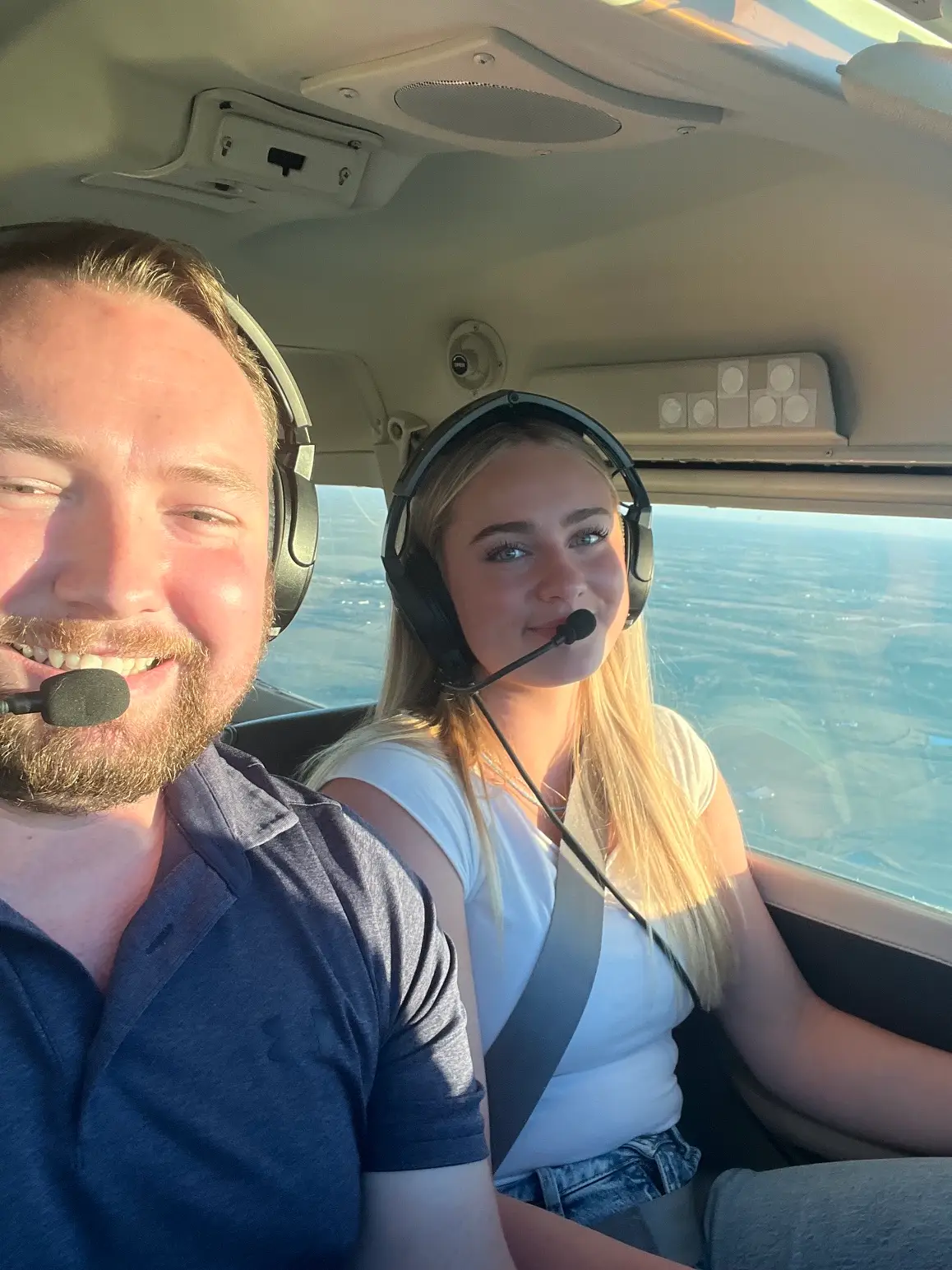
Before you begin, it helps to learn the basics of the training path, understand what the first lessons look like, and confirm whether you want to start with a discovery flight or a formal beginner program. If you already know that you want to pursue a private pilot license, the most productive next step is to speak with a flight school, review the current requirements, and ask how training is structured at the school you are considering. To see what a first lesson entails, read our guide on what to expect in your first flight lesson.
Why PIC Can Help You Get Started
At PIC, we guide students through the early stages of training with a clear, structured approach that balances confidence, safety, and practical learning. Whether you are still exploring the idea or you are ready to begin, understanding the private pilot license requirements early can make the process feel more manageable and less overwhelming.
Ready to Begin Your Training Journey?
If you are ready to take the next step, start by reviewing the current requirements, scheduling a discovery flight if that fits your goals, and speaking with a flight instructor about the path forward. A private pilot license is a major milestone, but it becomes much easier to approach when you understand the requirements before you begin. Feel free to contact us today to start your journey.

Pilot Instructional Center
Pilot Instructional Center (PIC) is a top-rated flight school in New Century, Kansas, offering professional pilot training led by jet-rated, safety-focused instructors. Whether you're starting your Private Pilot License or advancing toward Instrument, Commercial, CFI, or CFII ratings, PIC provides personalized, integrity-driven training designed to help you take off with confidence.

Ready to get started?
Contact us today to discuss your project and discover how we can help you achieve your goals.