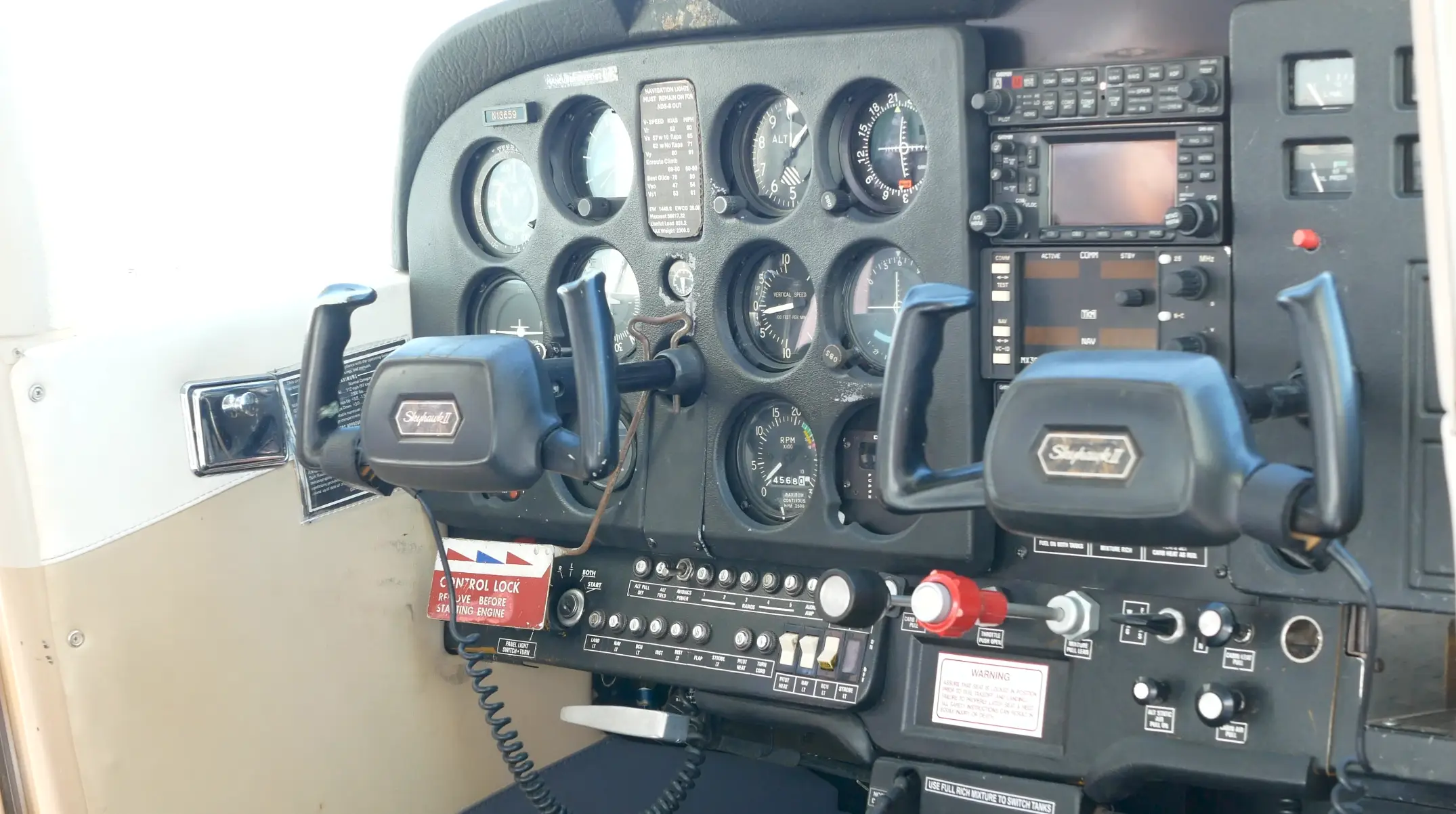
Understanding the 1500 Hour Rule: Your Path to the Airlines
- Feb 23, 2026
- 12 min read
Understanding the 1500 Hour Rule: Your Path to the Airlines
If you are researching how to fly for a major airline, you have likely heard about a specific milestone: the 1500 hour rule. This regulation is a defining part of aviation in the United States. It sets the bar for experience before a pilot can step into the cockpit of a commercial airliner as a First Officer. At Pilot Instructional Center, we specialize in helping students navigate this journey. Understanding the 1500 hour rule is the first step in planning a successful career in the skies above Kansas City and beyond.
What is the 1500 Hour Rule?
The 1500 hour rule refers to the FAA requirement that pilots must have at least 1,500 hours of total flight time to qualify for an Airline Transport Pilot (ATP) certificate. This certificate is mandatory for anyone who wants to fly for a Part 121 airline, such as Delta, United, or American Airlines. Before this rule was enacted in 2013, a pilot could often be hired with as few as 250 hours. Today, the 1500 hour rule ensures that every co-pilot has significant real-world experience before they begin carrying passengers.
Why Does the 1500 Hour Rule Exist?
Safety is the primary driver behind this regulation. Following the tragic crash of Colgan Air Flight 3407 in 2009, Congress passed the Airline Safety Act. The goal was to increase the maturity and experience levels of flight crews. While the rule has sparked debate in the industry, it has undeniably changed how we train. At our hub in New Century, KS, we don't just help you 'build hours.' We focus on high-quality training that prepares you for the responsibility of having 150 passengers behind you.
Exceptions to the 1500 Hour Rule (Restricted ATP)
Not every pilot has to wait until exactly 1,500 hours to get hired. The FAA allows for a 'Restricted ATP' (R-ATP) under certain conditions. For example, military pilots can qualify with 750 hours. Graduates of approved four-year aviation universities may qualify at 1,000 hours, while those with an associate degree may start at 1,250 hours. However, most civilian pilots in Olathe, KS or Overland Park, KS will follow the standard 1,500-hour path, often by working as a Certified Flight Instructor (CFI).
The Most Common Path: Becoming a CFI
How do you bridge the gap between your 250-hour Commercial Pilot Certificate and the 1,500-hour goal? For the majority of pilots, the answer is teaching. By becoming a flight instructor, you get paid to fly while helping others learn. This is widely considered the best way to reach your goal because teaching a concept reinforces your own knowledge. Our instructors at PIC come from places like Shawnee, KS and Lenexa, KS to mentor the next generation while they work toward their own airline dreams.
Beyond Instructing: Other Ways to Build Hours
While instructing is popular, it isn't the only way to log time. Some pilots fly for banner towing companies, perform pipeline patrols, or fly scenic tours over Kansas City, MO. Others find work in 'Part 135' operations, which include charter flights and cargo hauling. No matter which path you choose, the key is consistency. Staying active in the cockpit ensures your skills remain sharp as you approach the 1,500-hour mark. If you are new to flying, we can help you map out which of these options fits your lifestyle best.
How Long Does It Take to Reach 1,500 Hours?
Most full-time pilots can reach the 1,500-hour milestone in about two to three years after finishing their initial training. This timeline depends on how often you fly and the weather in the Kansas and Missouri region. At Pilot Instructional Center, we encourage students to maintain a steady pace. Our Airline Pilot Track is designed to keep you moving efficiently through your ratings so you can start earning money as a pilot sooner.
Preparing for the Airline Transport Pilot (ATP) Certificate
Reaching 1,500 hours is only part of the battle. You must also be at least 23 years old (or 21 for a Restricted ATP) and pass a rigorous multi-day practical test. You will also need at least 50 hours of multi-engine time and 75 hours of instrument time. Many pilots in Lee's Summit, MO and Blue Springs, MO use our simulators to stay proficient in Instrument procedures during this stage. These tools are invaluable for mastering complex scenarios without the high cost of fuel.
Training with Purpose at PIC
We transform your passion for flight into proven skill and lasting confidence. Our approach to the 1500 hour rule is simple: every hour should make you a better pilot. We avoid the 'pilot mill' mentality. Instead, we provide transparent, results-driven training from instructors who have 'been there and done that.' Whether you are from Gardner, KS or Liberty, MO, we provide the lifelong support you need to transition from a student to a professional airline pilot.
Is the 1500 Hour Rule Still Relevant?
There is often talk about the FAA potentially lowering the hour requirements due to the pilot shortage. However, as of early 2026, the 1500 hour rule remains the gold standard for airline safety. Investing in your training today means you will be ready when the airlines come calling. Don't wait for the rules to change; start building your future now. Our fleet of aircraft at New Century AirCenter is ready to help you log those critical hours.
Ready to Start Your Journey?
The path to 1,500 hours starts with a single flight lesson. If you are ready to take the first step toward a career with the airlines, visit our contact page. You can also book a Discovery Flight to experience the Pilot Instructional Center difference for yourself. Whether you live in downtown Kansas City or the suburbs of Johnson County, we are here to help you navigate the 1500 hour rule and achieve your dreams.

Pilot Instructional Center
Pilot Instructional Center (PIC) is a top-rated flight school in New Century, Kansas, offering professional pilot training led by jet-rated, safety-focused instructors. Whether you're starting your Private Pilot License or advancing toward Instrument, Commercial, CFI, or CFII ratings, PIC provides personalized, integrity-driven training designed to help you take off with confidence.
Ready to get started?
Contact us today to discuss your project and discover how we can help you achieve your goals.